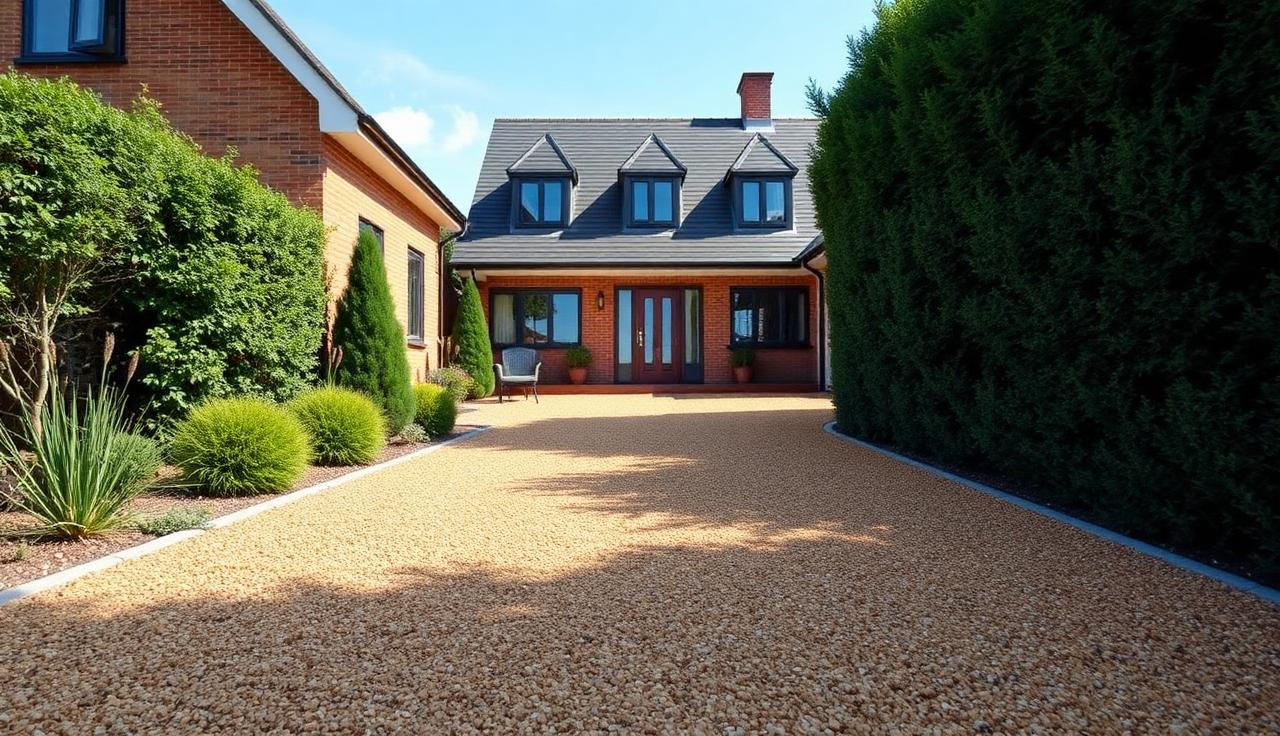
Resin Bound vs Block Paving: Which Is Better for Your Driveway?
Block paving has been the default choice for UK driveways for decades. But resin bound surfacing is rapidly overtaking it. Here's an honest comparison.
Head-to-Head Comparison
| Feature | Resin Bound | Block Paving |
|---|---|---|
| Cost per m² | £60–£120 | £50–£100 |
| Lifespan | 15–25 years | 10–20 years |
| Maintenance | Very low | High |
| Weeds | None | Major problem |
| Sinking/shifting | None | Common |
| Planning permission | Usually not needed | Often required |
| Permeable | Yes (inherent) | Only with permeable sub-base |
| Installation time | 2–3 days | 3–7 days |
| Appearance | Smooth, contemporary | Traditional, structured |
The Case for Resin Bound
No Weeds — Ever
Block paving's biggest headache is weeds growing between the joints. Within 2–3 years, most block paving driveways need regular weeding and re-sanding. Resin bound has no joints, so weeds simply can't establish.
No Sinking or Shifting
Individual blocks can sink, shift, and become trip hazards — especially under vehicle weight. Resin bound creates a single, monolithic surface that distributes weight evenly.
Truly Permeable
Resin bound is inherently permeable. Block paving only qualifies as permeable if installed with specific permeable jointing sand and a suitable sub-base — which many installers cut corners on.
Less Maintenance
A resin bound driveway needs nothing more than an occasional sweep and annual pressure wash. Block paving needs:
- Regular weeding and weed killer
- Re-sanding joints every 1–2 years
- Replacing sunken or damaged blocks
- Sealing to prevent staining
Contemporary Appearance
Resin bound offers a sleek, seamless look that suits modern properties. The range of natural aggregate colours means it can complement any architectural style.
The Case for Block Paving
Lower Entry Cost
Block paving can be slightly cheaper per m², particularly for basic designs. However, factor in ongoing maintenance costs and the gap narrows significantly.
Traditional Aesthetic
For period properties or homes in conservation areas, the structured pattern of block paving may be more appropriate.
Easy Spot Repairs
Individual damaged blocks can be lifted and replaced. Resin bound repairs are possible but require more skill.
Familiarity
Most homeowners and estate agents recognise block paving. Resin bound is newer and some buyers may not be familiar with it.
Total Cost of Ownership (10 Years)
| Cost Factor | Resin Bound | Block Paving |
|---|---|---|
| Installation (40m²) | £3,600 | £2,800 |
| Annual maintenance | £0–£50 | £200–£400 |
| Weed treatment (annual) | £0 | £50–£100 |
| Re-sanding (biannual) | £0 | £150–£300 |
| Block replacement | £0 | £100–£300 |
| 10-year total | £3,600–£4,100 | £5,800–£10,800 |
Over 10 years, resin bound is often the cheaper option when maintenance is factored in.
Which Should You Choose?
Choose resin bound if you want:
- Minimal maintenance
- A contemporary, seamless look
- Guaranteed permeability (no planning permission hassle)
- Long-term value
Choose block paving if you want:
- A traditional aesthetic for a period property
- The lowest possible upfront cost
- DIY repair capability
Frequently Asked Questions
Can resin bound be laid over existing block paving?
In some cases, yes — if the block paving is level and stable, it can serve as the base for resin bound. We'll assess this during the survey.
Does resin bound add value to my property?
Yes. A well-installed resin bound driveway enhances kerb appeal and is increasingly recognised by estate agents as a premium feature.
Which is better for heavy vehicles?
Both handle normal vehicle traffic. For very heavy vehicles (motorhomes, delivery trucks), we recommend a thicker resin bound specification over a reinforced sub-base.
Want the best for your driveway? Request a free quote and see the difference resin bound makes.